Why Your Child Needs 21st Century Advanced Social Education

The educational landscape has drastically changed during the most recent decade. Schools no longer teach the same subjects and skill sets that they did in the past, but now, students must be prepared for difficult jobs and careers by learning skills that are more difficult to teach, such as communication and collaboration. Read this article to find out why your child needs 21st Century Advanced Social Education. Overall, a social education is essential for 21st century children. It helps them to develop important life skills and teaches them about empathy and respect.

The digital age is a new age in which we all live. Technology has improved how we communicate, how we work and how we learn. As parents or educators, it’s up to us to help our children understand the complexities of this new world in which they live, so that they are confident and secure when they take on adult life outside of school. Find out more in this article about the importance of 21st Century Advanced Social Education and what you can do to make sure your child doesn’t fall behind!


The Importance of Social Education

In the 21st century, it is more important than ever for children to receive a social education. With the advent of social media, children are exposed to a wider range of people and cultures than ever before. It is essential that they learn how to interact with others in a respectful and responsible way.

A social education helps children to develop the skills they need to navigate the online world safely and responsibly. They learn how to communicate with others, how to resolve conflict, and how to protect their personal information. These are all important life skills that will help them throughout their lives.

In addition to helping children develop important life skills, a social education also teaches them about empathy and respect for others. Children who learn about empathy and respect are more likely to be tolerant and accepting of others. This is an important lesson in today’s world where there is so much division and hatred.


Why Traditional Education Methods Aren’t Enough for the 21st Century

21st century advanced social education is different than what was offered in the past in a few key ways.

First 21st century social education takes a more global perspective. Students will learn about different cultures and how to interact with people from all over the world.

Second 21st century social education focuses on using technology to communicate and collaborate. Students will learn how to use various tools and platforms to connect with others.

Third, 21st century social education emphasizes critical thinking and problem-solving skills. Students will be challenged to think creatively and solve complex problems.

Fourth 21st century social education is tailored to the individual needs of each student. Teachers will use data and assessments to personalize learning experiences for each child.

Fifth 21st century social education is designed to prepare students for the future. They will learn skills that they need for success in college and career.

If you are looking for an enriching and challenging social education for your child, consider a 21st century advanced program.


How to Make a Difference in Your Child’s Future

In order to make a difference in your child’s future, it is important to give them a social education that is relevant to the 21st century. This means teaching them how to use social media responsibly, how to stay safe online, and how to be good digital citizens.

With the ever-growing importance of social media in our lives, it is more important than ever for children to learn how to use it responsibly. You can help your child by teaching them about cyberbullying and internet safety. Showing them how to be good digital citizens will help them navigate the online world safely and responsibly.

Giving your child a social education that is relevant to the 21st century will help them succeed in the future. By teaching them how to use social media responsibly and stay safe online, you are giving them the tools they need to be successful in an increasingly digital world.


Conclusion

In this article, we have looked at some of the reasons why your child needs social education in the 21st century. With the rapid pace of change in society, it is more important than ever for children to learn how to interact with others and resolve conflict. Social education can help your child to develop these skills, as well as giving them a greater understanding of the world around them. If you are concerned about your child’s social development, then talk to their teacher or school counselor about ways that you can help them at home.
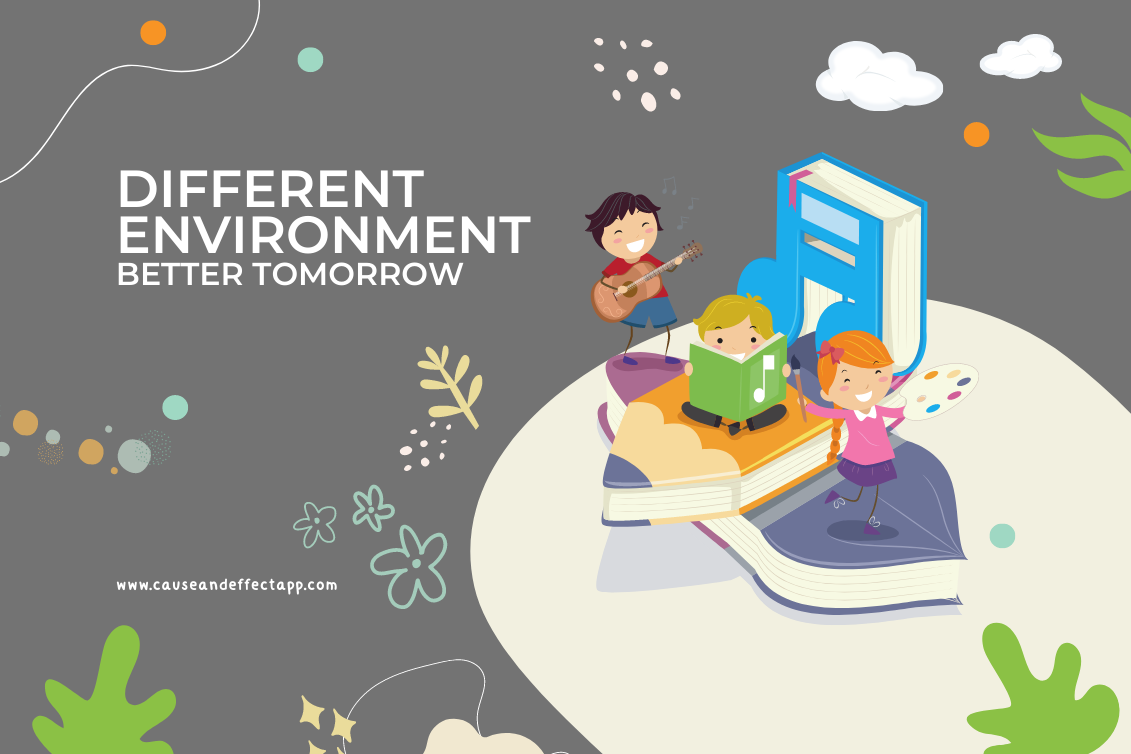
Why Environmental Education Matters for Kids?

Environmental education is the process in which students develop an appreciation for their natural environment and the responsibilities that come with being a citizen of the Earth. Environmental education is important for kids because they are the generation that will be living in a country with more extreme weather, more natural disasters, more air and water pollution, and poor quality of soil. It’s crucial that kids learn about these things now so they can take active roles in fighting against them. It is a vital part of education. It teaches children that our actions have consequences and can be life-changing, both good and bad. It teaches the importance of caring for the environment to ensure it’s health for future generations.

Environmental education is the process of teaching individuals to better understand and appreciate the natural environment. Environmental education is not just limited to natural environments, but it also includes human-created environments such as cities. Children are often a focus in environmental education because they are future generations, and their understanding and appreciation of the environment can make a difference in its preservation.


What is Environmental Education?

Environmental education is important for kids because it teaches them about the world around them and how to take care of it. It also helps them understand the importance of conserving natural resources and protecting wildlife.


The Importance of Environmental Education

As our world becomes increasingly more digital, it’s important that we don’t forget the importance of teaching our kids about the environment. Environmental education helps children understand the natural world and their place in it. It also teaches them how to be responsible stewards of our planet.

There are many benefits of environmental education, but one of the most important is that it can help instill a lifelong love of nature in children. When kids learn about the environment and how to care for it, they’re more likely to develop into adults who appreciate and respect the natural world.

Environmental education is also important for developing critical thinking skills. Kids who learn about environmental issues are better able to understand and analyze complex problems. This is a valuable skill that will serve them well throughout their lives.

Finally, environmental education can help kids feel connected to something larger than themselves. When they realize that they have the power to make positive changes in the world, they’ll be more motivated to do so.

We all have a responsibility to care for our planet, and environmental education is one of the best ways to ensure that future generations will be up to the task.


Why should Kids Learn about the Environment?

There are many reasons why environmental education is important for kids. First, it can help them understand and appreciate the world around them. It can also teach them how to care for the environment and how to make choices that will protect it. Additionally, environmental education can help kids develop a sense of responsibility for the planet and its resources. Finally, environmental education can raise awareness about important environmental issues and inspire kids to take action to make positive change.


How do Children help the Environment?

One of the most important things that children can do to help the environment is to learn about it. Environmental education helps kids understand how they can protect the planet and its natural resources. They learn about the importance of recycling, conserving energy, and reducing pollution.

Environmental education also teaches children about the interdependence of all living things. They learn that humans, animals, and plants all rely on each other for survival. This understanding can help children appreciate the value of biodiversity and the need to protect endangered species.

Most importantly, environmental education instills a sense of wonder and appreciation for the natural world. When children understand and value the environment, they are more likely to be future stewards of our planet.


Conclusion

Environmental education is important for kids for a number of reasons. It helps them understand the natural world and how they fit into it, teaches them about conservation and sustainability, and gives them the knowledge and skills they need to make informed decisions about the environment. In a world where the environment is under increasing pressure from human activity, it is more important than ever that we educate our children about how to protect and preserve our planet.

How Can You Help Your Child to Grow Healthy Habits?

Getting your child to make good habits early on can have a positive effect on their development.In this article, we outline the 10 most important keys to helping your child develop healthy habits. These tips will help you create a healthy environment for your children, outside of school hours and inside their homes.


10 Tips on How to Help Your Child Develop Healthy Routines


Goals of a Healthy Routine


The goal of a healthy routine is to help your child develop healthy habits. A healthy routine should include activities that are good for your child’s physical, mental, and emotional health.


Physical activity is an important part of a healthy routine. It helps your child stay physically fit and can improve their mood. A healthy diet is also important for your child’s physical health. A balanced diet includes foods from all the food groups: proteins, carbohydrates, fats, vitamins, and minerals.


Mental and emotional health are also important parts of a healthy routine. Helping your child learn how to manage their emotions can reduce stress and anxiety. Teaching your child coping skills can also help them deal with difficult situations in a healthy way.


Developing a Daily Routine

The first step to helping your child develop healthy routines is to develop a daily routine yourself. Set aside time each day for activities such as reading, playing, and spending time together. Try to do these activities at the same time each day so that your child knows what to expect.

It is also important to provide structure for your child throughout the day. A good way to do this is to create a daily schedule that includes time for meals, school, homework, and play. This will help your child know what to expect each day and will help them stay on track.

Finally, be sure to model healthy habits for your child. If you are trying to develop a healthy routine for your child, be sure that you are following a healthy routine yourself. Eat healthy meals, exercise regularly, and get enough sleep. Your child will be more likely to follow your lead if they see you living a healthy lifestyle.


Implementing Routines with Your Child

Implementing routines with your child can help them develop healthy habits that will last a lifetime. It is important to involve your child in the process of creating routines so that they understand why the routines are important and feel ownership over them.

Start by sitting down with your child and discussing why healthy routines are important. Explain how developing healthy habits now will help them live a long and healthy life. Then, ask your child what routines they would like to implement. This could include things like brushing their teeth, eating breakfast, or getting enough exercise.

Once you have a list of routines, help your child create a schedule. Write down when each routine should be completed and post it somewhere visible in your home. Put a checkmark next to each routine as it is completed. This will help your child see their progress and stay motivated.

Finally, make sure to praise your child when they stick to their routines. Positive reinforcement will encourage them to continue developing healthy habits.


How Routines Can Help Your Child

Routines can help your child in many ways. They can improve your child’s behavior, help your child learn new skills, and make life easier for both you and your child.

When children have routines, they know what to expect. This can help reduce tantrums and other problem behaviors. Routines can also help your child learn new skills. For example, if you have a bedtime routine that includes reading a story together, your child will learn to love books and reading.

Routines can also make life easier for you as a parent. When you have a set routine, it is easier to get things done. You can also use routines to teach your child how to do things independently. For example, if you have a morning routine that includes getting dressed, brushing teeth, and eating breakfast, your child will learn how to do these things on their own.

Routines are beneficial for both children and parents. They can improve behavior, help children learn new skills, and make life easier for everyone involved.


Common Routine Questions to Ask

When it comes to helping your child develop healthy routines, there are a few common questions you can ask yourself to get started.

First, consider what time of day your child is most likely to be successful with a new routine. Is it in the morning when they first wake up? After school? Or maybe at bedtime? Once you have an idea of when would be the best time to start, you can begin to set some realistic goals.

Next, think about what you would like your child to do as part of their new routine. Would you like them to brush their teeth every morning and night? Eat breakfast every day? Spend 30 minutes reading before bed? Write down a few goals that you think are realistic and achievable for your child.

Finally, consider how you will help your child stick to their new routine. Will you set a timer for them so they know how long they need to brush their teeth? Put their breakfast on the table as soon as they wake up? Read with them before bed? Choose a few strategies that will work for you and your family.

Developing healthy routines can be a great way to help your child stay on track and make good choices throughout the day.


How To Make Sure Your Child Gets Enough Sleep? (Tips on Getting Them Out of Bed)

One of the most important things you can do to help your child develop healthy routines is to make sure they get enough sleep. Getting enough sleep is essential for good health, and it can be difficult for children to get the recommended amount of sleep if they don’t have a set bedtime.

There are a few things you can do to help your child get enough sleep. First, make sure they have a comfortable place to sleep. This means having a comfortable mattress and pillows, and making sure the room is not too hot or too cold. Second, establish a regular bedtime and stick to it as much as possible. This will help your child’s body get used to going to bed at a certain time. Third, create a bedtime routine that includes calming activities such as reading or taking a bath. This will help your child wind down before bed and make it easier for them to fall asleep.

If you follow these tips, you can help your child get the sleep they need to be healthy and happy.


How Often Should My Child Brush Their Teeth?

The American Dental Association recommends that children brush their teeth at least twice a day, in the morning and at night. However, some children may need to brush more often if they have braces or other dental appliances that require extra care.

It is also important for children to floss daily. This helps to remove plaque and bacteria from between the teeth, which can cause cavities.

It is best to help your child develop a healthy oral hygiene routine that works for them. Some children may prefer to brush after every meal, while others may only need to brush once a day. Helping your child find a routine that they can stick to will help them develop healthy habits that will last a lifetime.


What is the Best Way to Teach My Child to Eat Breakfast?


  • The best way to teach your child to eat breakfast is by setting a good example. If you eat breakfast every day, your child will be more likely to do the same. You can also try to make breakfast time a special time for your family by eating together and chatting.


  • It’s also important to offer healthy and appealing options for breakfast. If your child doesn’t like cereal, try offering them oatmeal, eggs, toast, or fruit instead. Let them choose what they want to eat so they’re more likely to eat it all up.


  • Finally, don’t force your child to eat if they’re not hungry. Some children just aren’t hungry in the morning, and that’s okay. Just make sure they’re drinking plenty of fluids so they don’t get dehydrated throughout the day.


Common Challenges, and Solutions for Problems

There are many challenges that parents face when trying to help their children develop healthy routines. One common challenge is getting children to eat healthy foods. Parents can solve this problem by offering their children healthy snacks and meals, and by leading by example. Another common challenge is getting children to exercise regularly. Parents can solve this problem by scheduling time for physical activity, and by making it fun.

Another common challenge is getting children to brush their teeth regularly. Parents can solve this problem by helping their children brush their teeth, and by setting a regular time for tooth-brushing. Finally, another common challenge is getting children to go to bed on time. Parents can solve this problem by setting a bedtime routine, and by being consistent with it.

By following these tips, parents can help their children develop healthy routines that will last a lifetime.

Why Environmental Education Is Important for Our Kids?

Environmental education is important for children in order to create a more sustainable future for themselves and the planet. It teaches them about how the Earth sustains life, and how they can play a part in keeping it thriving. This is especially pertinent as our climate changes throughout time, and we must adapt to new environmental conditions.

In this article, learn how children can help the environment by using resources they have at their disposal.


Most people would agree that environmental education is important for our kids. After all, they are the ones who will inherit the earth. But why is it so important?

There are many reasons why environmental education is important for our kids. For one, it teaches them about the natural world and how we impact it. It also instills a sense of stewardship and responsibility for the environment. And lastly, it can inspire them to take action to protect the environment.

Environmental education is important for our kids because it helps them understand the world around them and how we impact it. It also teaches them about the importance of taking care of our planet. And lastly, it can inspire them to take action to protect the environment.


Let us break down environmental education into the following basic elements. Here’s the thing:


  • Raising public awareness about environmental issues
  • Trying to change people’s minds
  • Gaining practical knowledge
  • Inspiring others by encouraging people
  • Gain special skills to work through problems

Not only sound education but his alertness and dedication too are most required. We often ignore these issues due to lack of proper education and awareness. So our children need to be made aware of all these things from an early age.


Teaching Kids About Sustainable Living

As parents, we want to do everything we can to ensure our children have a bright future. One way we can do this is by teaching them about sustainable living.

Sustainable living is all about using resources in a way that doesn’t damage or deplete them. It’s about finding a balance between meeting our own needs and preserving the planet for future generations.

There are many reasons why environmental education is important for our kids. For one, it can help them develop a sense of stewardship for the planet. Sustainable living also teaches kids about resource conservation and how to live more efficiently.

But perhaps most importantly, sustainable living is a great way to instill in our kids the importance of taking care of our planet. After all, it’s the only one we’ve got!

By teaching our kids about sustainable living, we can help set them up for success in school and in life.


The most important environmental issues are:


  • Overpopulation
  • Global warming
  • Effects of air, water and land pollution
  • Deforestation
  • Garbage rehabilitation
  • Species extinction
  • Climate change


Analyzing the above, it is clear from the picture that we are in a critical moment where everyone must unite to save our new generation.


Teaching Kids About Wildlife Conservation

One of the most important things we can do for the future of our planet is to educate our children about environmental issues. By teaching them about things like climate change, pollution, and wildlife conservation, we can help them understand the importance of taking care of our planet.

There are a number of ways to incorporate environmental education into your child’s life. You can start by talking to them about the things they see in the world around them. Point out the birds in your backyard or the flowers in your garden and explain how they are important to the environment. You can also take them on nature walks and hikes, where they can learn about different plants and animals.

There are also a number of great resources available to help you teach your kids about environmental issues. There are books, websites, and even apps that can help make learning about these topics fun and engaging for kids.

By instilling a love for nature and a concern for the environment in our children, we can ensure that they grow up to be responsible stewards of our planet.


Teaching Kids About Climate Change

As parents, we want to do everything we can to protect our children and give them the best possible future. That’s why environmental education for Kids is so important. By teaching kids about climate change, we can empower them to make a difference in the world.

Climate change is one of the biggest challenges our planet faces. It’s not something we can ignore or hope will go away. We have to take action now to slow down and eventually reverse the effects of climate change. And it starts with educating our children about the issue.

Many adults still don’t fully understand climate change or how it works. So how can we expect kids to grasp the concept? It’s important that we start early and provide them with easy-to-understand information about what climate change is and how it’s affecting our planet.

We also need to teach kids about what they can do to help reduce our impact on the environment. There are many small changes they can make in their daily lives that can make a big difference. For example, they can recycle more, save energy at home, and reduce their water usage.


Give your kids a chance to love the environment around them

Environmental education is never strictly related to school. All children need to know how to apply knowledge in different areas of life. And they need the full support of their families.

Encourage your child to find ways to make a significant contribution to preserving the environment outside the school. Yes, you can.


Send your child to summer environment camp

These summer camps are a great way to spend the summer. Here your child will make new friends and he will acquire new skills, which will be very helpful in preserving the environment later on.


Help any one of them organize a local environmental event

If your kids clean local ponds or parks or collect plastics and do other such things, they will automatically develop environmental awareness.


Ask them to participate in an essay competition about their environment

If your kids are encouraged to write, they can participate in an essay competition and easily share their perspectives on the environment with others. They may even win a prize in this regard.


The activities that children can do are:


  1. Recycling
  2. Planting trees
  3. Avoid plastic objects
  4. Eat more vegetables
  5. Waste less


We know children take their habits home. The habits they adopt, for better or for worse, usually last a lifetime. So if we give them a good education from an early age, it will improve their whole life.


Participate in volunteer activities

The best part of environmental education for children is to help others in good deeds and to constantly strive so that the environment of our planet as a whole is not polluted and endangered. Therefore, participation in environmental awareness workshops is definitely an important step.


Conclusion

In conclusion, environmental education is important for our kids because it helps them understand the world around them and how they can make a difference. With a better understanding of the environment, they can learn to appreciate nature and be more responsible stewards of the planet.