The Best Way to Protect your Child from the Internet


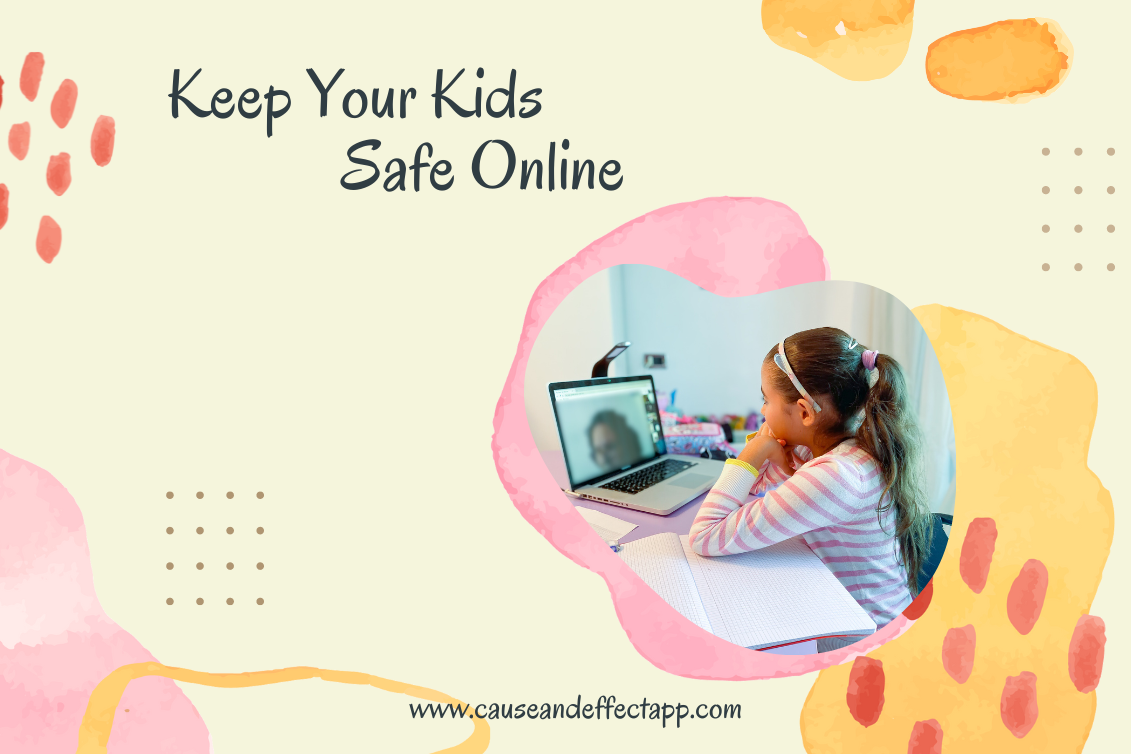
Despite the many benefits of the internet, it can also hold a lot of dangers for your child. Learn about how you can protect your child from these harmful effects, so they don’t get lost in social media.


The Dangers of the Internet for Children

As a parent, it is important to be aware of the dangers that the internet can pose for children. While the internet can be a great resource for education and entertainment, it can also be a dangerous place for children who are not supervised. There are many predators online who look for opportunities to exploit children. In addition, there are many websites that contain explicit content that is not appropriate for children. As a parent, you should take steps to protect your child from the dangers of the internet.


Here are some Tips for Protecting your Child from the Dangers of the Internet

Supervise your child’s internet use: It is important to supervise your child’s internet use to make sure they are not accessing inappropriate content or interacting with strangers online. You can do this by installing parental controls on your computer and monitoring your child’s online activity.

Teach your child about internet safety: It is important to teach your child about internet safety so they know how to protect themselves online. Teach them not to share personal information with strangers, not to click on links from unknown sources, and not to meet up with people they meet online in person.


How to Protect your Child from the Internet

It’s no secret that the internet can be a dangerous place for children. With so much access to information and so many people to connect with, it’s important to take steps to protect your child from the potential dangers that exist online. Here are some tips on how to do just that:

Monitor their internet usage. This means knowing which websites they visit, who they’re talking to online, and what they’re doing while they’re online. You can do this by installing parental control software on your computer or using the parental controls provided by your internet service provider.

Teach them about internet safety. This means showing them how to spot potential dangers like cyberbullies and online predators, and teaching them not to share personal information like their address or phone number with anyone they meet online.

Keep the lines of communication open. Let your child know that they can come to you with any concerns or questions they have about their internet usage. This will help them feel comfortable coming to you if something does happen that makes them feel uncomfortable.

By following these tips, you can help keep your child safe from the potential dangers that exist online.


Why is it Important to Protect our Children?

We all know that the internet can be a dangerous place for children. There are predators lurking around every corner, just waiting to take advantage of an unsuspecting child. That’s why it’s so important to protect our children from the internet. Here are some tips to help you keep your child safe online:

Teach your child about online safety. Make sure they know never to give out personal information like their name, address, or phone number to anyone online.

Monitor their internet usage. Keep an eye on what websites they’re visiting and who they’re talking to online.

Use parental controls. There are many software programs available that allow you to block certain websites and monitor your child’s internet usage.

Be involved in their online activities. Take an interest in what they’re doing online and who they’re talking to. This will help you spot any red flags that may arise.

Keep the lines of communication open with your child. Let them know that they can come to you with anything that makes them feel uncomfortable online.

By following these tips, you can help keep your child safe from the dangers of the internet.


Ways to Protect your Kids

There are a number of ways to protect your children from the dangers of the internet. The most important thing is to be aware of the risks and to take steps to minimize them.

One way to protect your children is to monitor their internet usage. Keep an eye on what they are doing online and who they are talking to. If you see anything that makes you concerned, talk to your child about it.

Another way to protect your children is to teach them about internet safety. Show them how to spot fake websites and scams. Teach them not to give out personal information online. Help them understand how to stay safe when using the internet.

Finally, keep the computer in a public place in your home so you can easily see what your children are doing online. This will help you catch anything that might be concerning and address it right away.


By following these tips, you can help keep your children safe from the dangers of the internet.
How to Teach Your Kids Good Manners?

In today’s world, children need to learn more than just academics. Good manners are an essential part of being a successful member of society. Some people may be inclined to think that teaching manners is “teaching morals” and it should be left for parents and family members to teach children. However, there are various ways we can help our children develop good manners without taking them away from the other activities they enjoy doing.

Teaching good manners to your child is not only a good thing, but it’s also important. It’s not hard though, just follow these 12 simple tips and see how much of an impact they have!


Introduction


It is never too early to start teaching your kids good manners. There are many benefits to teaching kids good manners from a young age. Good manners can help kids make friends, succeed in school, and feel confident in social situations.

There are many ways you can teach your kids good manners. You can start by modeling good manners yourself. Explain to your kids why certain manners are important. For example, explain that it is important to say please and thank you because it shows respect for others.

Encourage your kids to practice good manners at home. Praise them when they use good manners and gently remind them when they forget. You can also role-play different social situations with your kids so they can practice their manners.

Finally, make sure you reinforce good manners in other areas of your child’s life, such as at school or daycare. Talk to their teachers or caregivers about ways you can work together to teach good manners.

Teaching your kids good manners from a young age has many benefits. It is never too early to start teaching your kids the importance of respecting others and behaving properly in social situations.


Good Manners


One of the best ways to teach your kids good manners is to model good manners yourself. Show your kids how to say please and thank you, how to introduce themselves to others, and how to mind their manners at the dinner table.

Another great way to teach your kids good manners is to read books about good manners with them. There are many great children’s books that teach kids about good manners in a fun and engaging way.

You can also encourage your kids to practice their good manners by giving them rewards when they use them. For example, you could give them a sticker or a small treat when they say please or thank you.

Overall, there are many great ways to teach your kids good manners. Modeling good manners yourself is one of the best ways.


The Importance of Good Manners


Good manners are important for several reasons. First, they make you more pleasant to be around. People who have good manners are more likely to be invited to social events and to be given positive attention by others. Secondly, good manners show that you respect yourself and other people. People who have good manners are more likely to be respected by others in return. Finally, good manners can lead to success in life. People with good manners tend to be more successful in their careers and in their personal relationships.

Teaching your children good manners is important for all of these reasons. When your children have good manners, they will be more likely to be invited to social events, to be respected by others, and to be successful in life.


How to Begin Teaching the Basics of Good Manners


One of the most important things you can do when teaching your kids good manners is to set a good example yourself. Show them how you use please and thank you when talking to other people. Let them see you being respectful to others. Explain to them why it’s important to have good manners.

Another way to teach your kids good manners is to make it fun. Play games with them that involve using please and thank you. Sing songs about good manners. Read stories together that teach lessons about being polite.

Finally, be consistent with your expectations for good manners. If you let them get away with bad behavior sometimes, they’ll start to think it’s okay. Make sure they know that you expect them to use their best manners all the time.


Lunchtime Routines and Table Etiquette


One of the best ways to teach your kids good manners is to have a set routine for lunchtime. This can include setting the table with a tablecloth and napkins, using utensils for eating, and saying please and thank you.

Table etiquette is also important. Teach your kids to chew with their mouths closed, not to talk with food in their mouths, and to use their napkins.

It’s also important to teach your kids to be respectful of others. For example, they should wait their turn to speak and not interrupt others. They should also use please and thank you when speaking to adults.


When Visiting Someone Else’s Home


One of the best ways to teach your kids good manners is to model good behavior yourself. When you visit someone else’s home, be sure to take off your shoes at the door, put away your phone, and sit down at the table when it’s time for meals. You can also talk to your kids about how important it is to be respectful of other people’s property.

Another way to teach your kids good manners is to have them practice greeting people. They can practice shaking hands, introducing themselves, and making eye contact. These are all important skills that will help them in their social interactions.

You can also teach your kids good table manners by having them help with setting the table and clearing up after meals. This will help them learn how to properly use utensils and napkins, and how to be considerate of others when eating.

Overall, there are many ways to teach your kids good manners. By modeling good behavior yourself and teaching them specific skills, you can help them develop into well-mannered adults.


End of the Day Routines and Bedtime Etiquette


End of the day routines and bedtime etiquette are a great way to teach your kids good manners.

First, you can start by teaching them how to properly wash their hands and face. This will help them to avoid spreading germs and getting sick. Next, you can teach them how to brush their teeth correctly. This is important for maintaining good oral hygiene. Finally, you can teach them how to put on their dress and get into bed.

Once they are in bed, you can teach them how to say their prayers or meditate. This will help them to relax and fall asleep quickly. You can also teach them how to count sheep or use other relaxation techniques.

Bedtime is also a great time to teach your kids about gratitude. You can have them list all of the things they are thankful for before they go to sleep. This will help them to focus on the positive things in their life and be more grateful overall.

Teaching your kids good manners at bedtime will help them to develop healthy habits that will last a lifetime.

How Can Parents Teach their Child Socially?

As children are growing up, they are constantly learning and adjusting to new ways of living. The development of a child’s social life is usually influenced and taught by their parents.

Parents can have an incredible impact on their child’s social development, but they need to know where to draw the line. Here are some tips for how parents can teach their child socially without crossing the line and becoming overbearing.

Parents have to teach their children how to behave, and the best way to do this is by setting a good example. In the article below, you’ll find 7 different ways that you can use to teach your child socially.


Parental Role in Teaching their Child Socially

It is important for parents to take an active role in their child social teaching. These skills are essential for children to interact successfully with others and to develop healthy relationships. There are many ways that parents can teach their child social skills, such as modeling appropriate behavior, providing opportunities for practice, and offering positive reinforcement.

Modeling appropriate behavior is one of the most powerful ways that parents can teach their child social skills. Children learn by observing and imitate the behaviors of those around them. Therefore, it is important for parents to model the type of behavior they want their child to display. This includes exhibiting patience, listening carefully, speaking kindly, and respecting personal space.

Providing opportunities for practice is another way that parents can help their child develop social skills. It is important for children to have opportunities to interact with others and to practice the skills they are learning. Parents can provide these opportunities by enrolling their child in a playgroup or class, taking them to the park or playground, or arranging playdates with other children.

Finally, it is important for parents to offer positive reinforcement when their child displays socially appropriate behavior. This reinforces desired behavior and helps the child feel good about him or herself.


How to Motivate Your Child to Interact with Others

There are several ways to motivate your child to interact with others. One way is to provide them with opportunities to socialize. For example, you can take them to playdates or playgroups. You can also enroll them in classes or activities that involve other children.

Another way to motivate your child to interact with others is to praise them when they do. If you see your child talking or playing nicely with other kids, be sure to let them know that you’re proud of them. This will encourage them to keep up the good work.

You can also use positive reinforcement to encourage your child to interact with others. For instance, you can give them a small reward after they’ve had a successful social interaction. This could be something like a sticker or a piece of candy.

Finally, it’s important to model good social behavior for your child. If you want them to be friendly and outgoing, then you need to be friendly and outgoing yourself. Show them that it’s enjoyable and rewarding to interact with others.


How to Encourage Your Child?

One of the best ways to encourage your child to be social is to set a good example. Be friendly and talk to the people around you, even if you don’t know them. This will show your child that it’s okay to talk to people they don’t know.

Another way to encourage your child to be social is to enroll them in extracurricular activities. This could be anything from sports teams to dance classes. Being around other children will give them opportunities to make friends and practice their social skills.

You can also help your child develop their social skills by teaching them how to start conversations with others. role-play with them, and show them how to introduce themselves and ask questions. Helping your child feel confident in their social skills will go a long way in encouraging them to be more social.


Provide Opportunities to Practice Social Skills with Other Children

One of the best ways to teach your child social skills are to provide opportunities for them to practice with other children. This can be done in a variety of ways, such as signing them up for a sports team or bringing them to a playdate.

When your child is around other children, they will have the chance to learn how to share, take turns, and resolve conflicts. They will also learn how to communicate with others and express their feelings. These are all important social skills that will help your child in the long run.

It’s important to supervise your child when they are around other children so that you can help them if they need it. If you see your child struggling with a particular social skill, you can provide guidance and coaching. However, it’s also important to let your child figure things out on their own so that they can learn from their mistakes.


Help Your Child Identify Feelings Play Games That Ask Questions and Have the Child Answer Them

Helping your child identify feelings can be done in a number of ways. One way is to play games that ask questions and have the child answer them. This can help the child to understand and express their feelings. Another way to help your child identify their feelings is to talk about emotions with them. You can ask them how they are feeling and why. This will help the child to understand their emotions better.

Playing games that ask questions and have the child answer they can also help the child to learn about social situations. This can be helpful in teaching the child how to interact with others. Games that involve role-playing can also be helpful in this regard.

Talking about emotions with your child can also help them to understand and cope with their own emotions. This can be helpful in teaching the child how to deal with strong emotions such as anger or sadness. It can also help the child to understand and empathize with others who are experiencing similar emotions.


Use Role Cards or Books to Model Different Roles Child Might Play

One way to teach your child about social interactions is to use role cards or books. You can model different roles that people might play in different situations. For example, you can be the mother in one situation and the father in another. This will help your child understand that there are different ways to interact with people depending on the role they are playing.

Another way to teach your child about social interactions is to use a 3rd person perspective. This is where you tell your child what you did in a particular situation. For example, “I went to the store and I bought some milk.” This will help your child understand what you did and why you did it.

Both of these methods are great ways to teach your child about social interactions. Choose the one that works best for you and your child.


Encouragement

Encourage your child to interact with other children. This can be done by enrolling them in a social skills class, taking them to the park, or having them play with other children at home.

Help your child to understand and express their emotions. This can be done by teaching them about different emotions, role-playing different scenarios with them, or reading books about emotions together.

Teach your child how to handle conflict. This can be done by showing them how to compromise, teaching them how to stay calm during an argument, or role-playing different conflict scenarios with them.

By teaching your child these social skills, you will help them to feel more confident and secure in social situations.

Why Environmental Education Is Important for Our Kids?

Environmental education is important for children in order to create a more sustainable future for themselves and the planet. It teaches them about how the Earth sustains life, and how they can play a part in keeping it thriving. This is especially pertinent as our climate changes throughout time, and we must adapt to new environmental conditions.

In this article, learn how children can help the environment by using resources they have at their disposal.


Most people would agree that environmental education is important for our kids. After all, they are the ones who will inherit the earth. But why is it so important?

There are many reasons why environmental education is important for our kids. For one, it teaches them about the natural world and how we impact it. It also instills a sense of stewardship and responsibility for the environment. And lastly, it can inspire them to take action to protect the environment.

Environmental education is important for our kids because it helps them understand the world around them and how we impact it. It also teaches them about the importance of taking care of our planet. And lastly, it can inspire them to take action to protect the environment.


Let us break down environmental education into the following basic elements. Here’s the thing:


  • Raising public awareness about environmental issues
  • Trying to change people’s minds
  • Gaining practical knowledge
  • Inspiring others by encouraging people
  • Gain special skills to work through problems

Not only sound education but his alertness and dedication too are most required. We often ignore these issues due to lack of proper education and awareness. So our children need to be made aware of all these things from an early age.


Teaching Kids About Sustainable Living

As parents, we want to do everything we can to ensure our children have a bright future. One way we can do this is by teaching them about sustainable living.

Sustainable living is all about using resources in a way that doesn’t damage or deplete them. It’s about finding a balance between meeting our own needs and preserving the planet for future generations.

There are many reasons why environmental education is important for our kids. For one, it can help them develop a sense of stewardship for the planet. Sustainable living also teaches kids about resource conservation and how to live more efficiently.

But perhaps most importantly, sustainable living is a great way to instill in our kids the importance of taking care of our planet. After all, it’s the only one we’ve got!

By teaching our kids about sustainable living, we can help set them up for success in school and in life.


The most important environmental issues are:


  • Overpopulation
  • Global warming
  • Effects of air, water and land pollution
  • Deforestation
  • Garbage rehabilitation
  • Species extinction
  • Climate change


Analyzing the above, it is clear from the picture that we are in a critical moment where everyone must unite to save our new generation.


Teaching Kids About Wildlife Conservation

One of the most important things we can do for the future of our planet is to educate our children about environmental issues. By teaching them about things like climate change, pollution, and wildlife conservation, we can help them understand the importance of taking care of our planet.

There are a number of ways to incorporate environmental education into your child’s life. You can start by talking to them about the things they see in the world around them. Point out the birds in your backyard or the flowers in your garden and explain how they are important to the environment. You can also take them on nature walks and hikes, where they can learn about different plants and animals.

There are also a number of great resources available to help you teach your kids about environmental issues. There are books, websites, and even apps that can help make learning about these topics fun and engaging for kids.

By instilling a love for nature and a concern for the environment in our children, we can ensure that they grow up to be responsible stewards of our planet.


Teaching Kids About Climate Change

As parents, we want to do everything we can to protect our children and give them the best possible future. That’s why environmental education for Kids is so important. By teaching kids about climate change, we can empower them to make a difference in the world.

Climate change is one of the biggest challenges our planet faces. It’s not something we can ignore or hope will go away. We have to take action now to slow down and eventually reverse the effects of climate change. And it starts with educating our children about the issue.

Many adults still don’t fully understand climate change or how it works. So how can we expect kids to grasp the concept? It’s important that we start early and provide them with easy-to-understand information about what climate change is and how it’s affecting our planet.

We also need to teach kids about what they can do to help reduce our impact on the environment. There are many small changes they can make in their daily lives that can make a big difference. For example, they can recycle more, save energy at home, and reduce their water usage.


Give your kids a chance to love the environment around them

Environmental education is never strictly related to school. All children need to know how to apply knowledge in different areas of life. And they need the full support of their families.

Encourage your child to find ways to make a significant contribution to preserving the environment outside the school. Yes, you can.


Send your child to summer environment camp

These summer camps are a great way to spend the summer. Here your child will make new friends and he will acquire new skills, which will be very helpful in preserving the environment later on.


Help any one of them organize a local environmental event

If your kids clean local ponds or parks or collect plastics and do other such things, they will automatically develop environmental awareness.


Ask them to participate in an essay competition about their environment

If your kids are encouraged to write, they can participate in an essay competition and easily share their perspectives on the environment with others. They may even win a prize in this regard.


The activities that children can do are:


  1. Recycling
  2. Planting trees
  3. Avoid plastic objects
  4. Eat more vegetables
  5. Waste less


We know children take their habits home. The habits they adopt, for better or for worse, usually last a lifetime. So if we give them a good education from an early age, it will improve their whole life.


Participate in volunteer activities

The best part of environmental education for children is to help others in good deeds and to constantly strive so that the environment of our planet as a whole is not polluted and endangered. Therefore, participation in environmental awareness workshops is definitely an important step.


Conclusion

In conclusion, environmental education is important for our kids because it helps them understand the world around them and how they can make a difference. With a better understanding of the environment, they can learn to appreciate nature and be more responsible stewards of the planet.

Understand Your Child’s Personality Through Proper Parenting


Today, it is important for parents to develop calm, confident, cooperative, and risk-taking qualities for their children and adolescents. Research has shown that positive personality and behavior of parents is considered as a very important trait in the development of a healthy child. The main goal of the present study is to review the role of parental relationships in relation to the correct personality of parents and the mental health problems of children during adolescence.

The more parents take care of their children, the more their children will develop physically and mentally.


Parental warmth and responsiveness towards children

Love and affectionate behavior towards the child works positively. Try to be sensitive to the child’s emotions and preferences and respond carefully. Sensitive parenting is a part of positive parenting.

Research works from the 1930s to the 1960s examine a number of specific parenting issues that are deeply related to a child’s well-being. If parents respond to the basic needs of their children or adolescents in an acceptable way, it gradually sweetens the relationship. Parental high responsiveness and high demands can be identified as an authoritative guardianship. Similarly, less responsive needs can be identified as a neglected or less important guardianship. Build a friendly relationship with children rather than identifying them as permissive or authoritarian guardians.

Children and young children should always feel a warm, intimate and uninterrupted beautiful relationship with their parents where both find sincerity, satisfaction and joy. It is important to understand the child’s psychology in order to follow the principles of parenting. A warm friendly relationship with them helps them understand correctly. In this regard, it is equally important to monitor children’s outdoor activities.

It is important to understand the child’s psychology in order to follow the principles of parenting. A warm friendly relationship with them helps them understand correctly. In this regard, it is equally important to monitor children’s outdoor activities.


Mental health problems of adolescents

Positive Thinking and Practice Laying a solid foundation on the daily activities of children and adolescents and on the development of mental health, primarily, parents provide care, affection and controlled discipline for their children’s healthy mental development and coordination of activities. Parents should influence their children by making positive changes in their behavior. While it has been observed that out-of-home activities and the need for social interaction increase in adolescents during mid-adolescence, the role of parents certainly becomes important in this regard.


Here are some things to keep in mind when it comes to healthy and sensitive parenting

  1. The warmth of the parents towards them in transforming the child towards well-being.
  2. Monitor whether parental warmth is fully affecting children.
  3. Parents respond to their child’s misbehavior and monitor their behavior in a sensitive and intelligent way so that they do not feel it.
  4. Exactly how aggressive children are in their speech or behavior will depend on how friendly their parents are with them.
  5. Stay warm and caring for teens that have a little more mental health concerns.


Find a role model for your child

Find a role model that works for your child so that they can develop their character positively. For example, Cristiano Ronaldo or Emmа Wаtѕоn can be very good role models for your kids.


Finally, if you are to be kind, responsible, and empathetic toward the proper use of these positive behaviors, then:

  1. It should not be forgotten that you should always provide warm guardianship to the children. Always remember that the warmth and responsibility of parents must be displayed at every moment of the day. If you do not take care of your child, it can cause long term harm to your child.
  1. Give your child the right advice with friendship and notice how quickly it changes. You can play an important role in helping them think independently or train them with life skills and set boundaries.
  2. The things that will affect your child’s mental health are their own genetic profile, their daily mood, their friend selection, physical health, sleep, good nutrition, exercise and their personality style. Much depends on how warmly and empathetically we as parents respond to them.
  3. Prioritize the overall care of your child. The way you take care of yourself and think about yourself should be done to your child as well. It will make your kids love and love you.


Hopefully the above topics will create an idea of ​​parental warmth and positive responsiveness and provide a balanced picture. Remember that whatever is best for your beloved child, it is best to take care of them in some way that is urgent and appropriate for your family as a whole. New insights are expected from you for the additional explanatory role of the level of guardianship.