You Were Doing Parenting Wrong from the Beginning—Here’s Why

Parenting is one of the most rewarding yet challenging roles we’ll ever take on. It comes with no manual, and most of us navigate through it using intuition, cultural norms, and advice from family and friends. But what if we’ve been getting some fundamental aspects of parenting wrong all along? Let’s explore the common pitfalls parents face and how modern strategies, rooted in science and technology, can help us course-correct.


1. Over-Scheduling Your Child

Modern parenting often equates success with busyness. From piano lessons to soccer practice, parents strive to give their kids every opportunity to excel. However, this overload can lead to burnout—not just for parents, but for children as well.

Why It’s Wrong
Over-scheduling can stifle creativity, increase stress, and rob children of free, unstructured playtime—a critical component of their development.

The Fix
Strike a balance by prioritizing activities your child truly enjoys. Encourage unscheduled time to foster creativity and independent thinking. Apps like Cause and Effect allow parents to create healthy schedules that balance tasks and free time, ensuring a holistic approach to their child’s day.


2. Focusing on Compliance Instead of Understanding

Many parents unknowingly equate good behavior with obedience. While teaching rules is essential, a strict compliance-based approach can suppress emotional intelligence and self-awareness.

Why It’s Wrong
A focus on obedience alone doesn’t help kids understand why certain behaviors are preferred. It can lead to fear-based compliance rather than intrinsic motivation.

The Fix
Adopt a collaborative approach. Use open-ended questions to help kids think critically about their choices. Task-based systems, like those in Cause and Effect, teach kids responsibility while showing them the rewards of self-discipline and goal setting.


3. Not Allowing Failures

In an attempt to shield kids from pain, parents often swoop in to prevent mistakes. While this comes from a place of love, it deprives children of valuable life lessons.

Why It’s Wrong
Failure is a critical learning experience. It teaches resilience, problem-solving, and emotional regulation. Without it, children may struggle to handle adversity later in life.

The Fix
Encourage your child to take risks and learn from their mistakes. Use setbacks as teachable moments rather than occasions for punishment. For example, apps that track progress and provide rewards for consistent efforts (like the Cause and Effect app) can help children view mistakes as part of the learning process.


4. Ignoring Digital Literacy

In today’s tech-driven world, digital literacy is as important as traditional literacy. Many parents either avoid discussing technology altogether or set overly rigid boundaries.

Why It’s Wrong
Technology is here to stay. A lack of understanding can lead children to misuse it or fall prey to online dangers.

The Fix
Take an active role in teaching your child how to use technology responsibly. Tools like Cause and Effect help parents set limits, monitor usage, and foster healthy habits while encouraging safe digital exploration.


5. Forgetting to Lead by Example

Children are sponges, absorbing habits and behaviors from their parents. It’s easy to lecture about kindness, patience, and discipline while forgetting to model these values ourselves.

Why It’s Wrong
Kids learn more from what we do than what we say. A “do as I say, not as I do” approach can create confusion and erode trust.

The Fix
Practice what you preach. If you want your child to be patient, demonstrate patience in challenging situations. Using progress-tracking tools, parents can also model personal goal-setting and accountability alongside their kids.


The Way Forward

Parenting is an ever-evolving journey. Acknowledging and addressing past missteps isn’t about guilt—it’s about growth. By fostering open communication, embracing modern tools, and prioritizing balance, we can create an environment where both parents and children thrive.

If you’re ready to revolutionize the way you parent, start by embracing tools like the Cause and Effect parental control app. It’s designed to empower parents and children with the right tools to build healthier relationships, foster independence, and create lasting positive habits.

Remember: It’s never too late to start doing things right.

The Power of Progress Tracking: Helping Kids Understand Their Growth

In a world where children are often occupied with screens, games, and social media, parents today are searching for ways to instill responsibility, goal-setting, and positive habits in their children. One powerful tool that can aid in this journey is progress tracking through parental control apps like Cause and Effect. By leveraging technology to track daily achievements, kids can start to understand and celebrate their growth, while parents can gain insights into strengths, areas for improvement, and ways to adjust goals to better support development.

In this blog, we’ll delve into how Cause and Effect’s progress analytics feature helps parents support their child’s journey, making it easier for kids to see their efforts’ impact and feel motivated to achieve even more.

Why Progress Tracking Matters for Kids

Growth isn’t always easy to see—especially for children, who may find long-term goals and big-picture progress challenging to grasp. Traditional methods of discipline and rewards might help in the short term, but they often fail to provide children with a sense of ownership over their growth and accomplishments. This is where digital progress tracking can make a big difference.

By tracking and showing measurable progress, children get a tangible way to see the positive outcomes of their actions. It’s a feedback loop that reinforces the value of completing tasks and achieving goals, building habits that can benefit them throughout life. With Cause and Effect’s progress analytics, kids can not only monitor their achievements but also receive timely feedback and support from their parents, creating a structured yet empowering learning environment.

How Cause and Effect’s Progress Analytics Helps Parents

Cause and Effect provides detailed progress analytics that allows parents to monitor how their child is progressing toward goals. Through visual data and summaries, parents can gain insights into task completion rates, consistency, and specific areas where their child may need additional support. Here’s a closer look at how these insights can make a difference:

  1. Identifying Strengths and Weaknesses
    • The app’s analytics feature enables parents to see patterns in their child’s behavior and performance. For instance, if a child consistently completes certain tasks (like reading or chores) but struggles with others (like time management or daily hygiene), parents can recognize these areas of strength and focus on supporting weaker areas. This allows parents to address specific needs, helping the child grow holistically.
  2. Setting Realistic, Incremental Goals
    • By understanding a child’s current capabilities, parents can set achievable, step-by-step goals that feel realistic rather than overwhelming. Progress analytics can highlight which tasks the child is already comfortable with and which may require extra guidance or simpler steps. This kind of tailored goal-setting helps children build confidence while avoiding frustration.
  3. Adjusting Parental Guidance Based on Data
    • Parents may sometimes feel unsure about how much guidance their child truly needs. With Cause and Effect’s progress tracking, they can observe how much the child completes tasks independently versus with reminders. If the data shows strong independence, parents may choose to step back slightly, fostering self-reliance. Conversely, if the child seems to need frequent reminders, parents can introduce supportive techniques to encourage consistency.
  4. Recognizing Milestones and Celebrating Progress
    • Celebrating milestones—whether big or small—can be a major motivator for kids. The app allows parents to monitor milestone achievements, making it easy to reward children for reaching certain levels of progress or sticking with a routine. These celebratory moments can help children feel seen, appreciated, and eager to keep going.
  5. Data-Driven Decision Making for Educational Support
    • If a child is struggling with specific academic or behavioral tasks, progress tracking can help parents decide when to seek extra support, such as tutoring or counseling. Having clear data on hand makes these decisions more straightforward, and the information can also be shared with professionals to create a coordinated support system around the child.

Teaching Children Self-Reflection and Accountability

While progress analytics offer powerful insights for parents, they also have a direct impact on children, especially when parents involve them in the process. Here’s how Cause and Effect can help teach children to self-reflect and build accountability for their actions:

  • Visualizing Progress with Charts and Summaries
    • The app presents data in a way that’s accessible and engaging, using charts or summaries that are easy for children to understand. When kids can see their achievements laid out in a visual format, they are more likely to feel proud of their hard work. It’s like watching their growth unfold, creating a sense of satisfaction that builds self-worth.
  • Encouraging Reflection on Missed Tasks
    • Children can also learn from the areas they’ve missed. By discussing why a particular task wasn’t completed and considering what could help next time, kids start to develop self-awareness and problem-solving skills. This aspect of progress tracking goes beyond basic rewards and encourages children to think about ways they can improve, building lifelong habits of accountability.
  • Making Goal-Setting Fun and Engaging
    • With the ability to earn rewards, kids learn that progress is both valuable and enjoyable. Cause and Effect makes goal-setting a more active process, encouraging children to understand the connection between their actions and rewards.

Building Long-Term Habits Through Positive Reinforcement

The ultimate goal of Cause and Effect’s progress tracking is to help children develop habits that will benefit them throughout life. By helping kids understand the link between effort and reward, the app promotes a growth mindset where they are inspired to work toward personal development. This approach moves beyond enforcing discipline and instead fosters a genuine love for learning, self-improvement, and responsibility.

Conclusion: Empowering Parents and Kids Alike

With Cause and Effect’s progress analytics, both parents and children can feel empowered in the habit-building journey. Parents gain insights to support and guide their children, while kids receive real-time feedback that helps them understand their growth and make positive changes. It’s a win-win approach to parenting that equips children with essential life skills, making progress tracking a powerful ally in raising responsible, self-motivated, and goal-oriented individuals.

As children learn to celebrate their achievements and tackle challenges through this app, they are not only reaching short-term goals—they’re also setting themselves up for long-term success. With Cause and Effect’s progress tracking, every small step forward is another opportunity to help children grow.

The Best Way to Protect your Child from the Internet


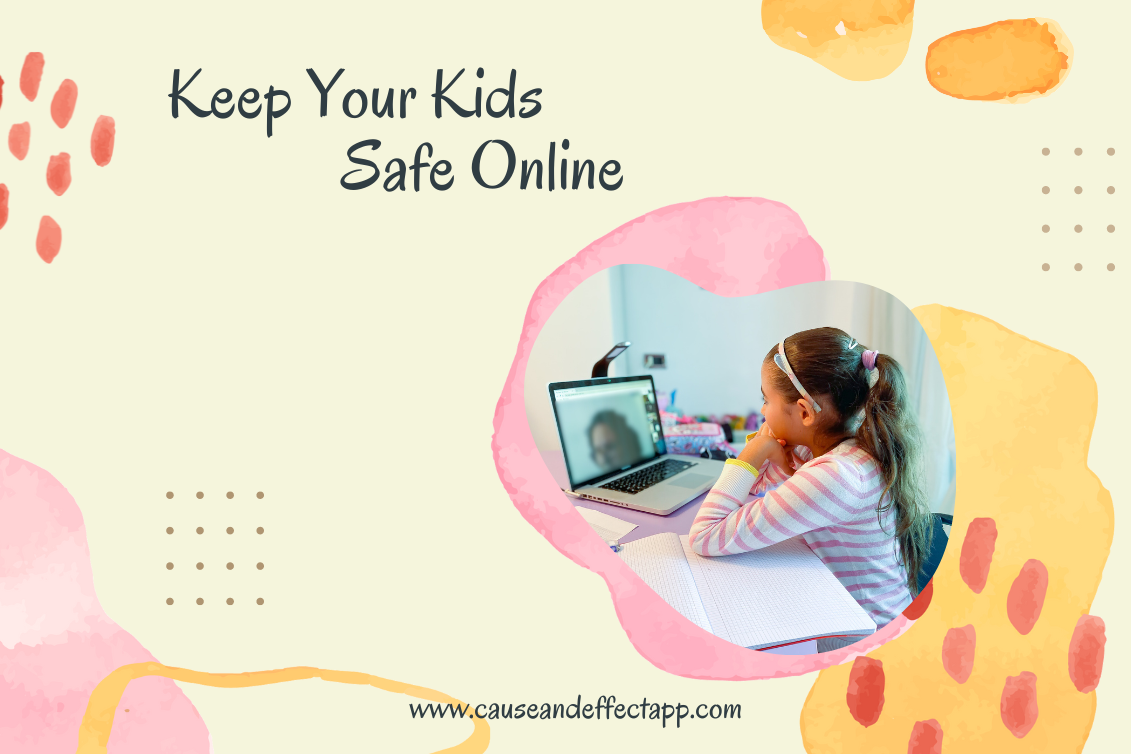
Despite the many benefits of the internet, it can also hold a lot of dangers for your child. Learn about how you can protect your child from these harmful effects, so they don’t get lost in social media.


The Dangers of the Internet for Children

As a parent, it is important to be aware of the dangers that the internet can pose for children. While the internet can be a great resource for education and entertainment, it can also be a dangerous place for children who are not supervised. There are many predators online who look for opportunities to exploit children. In addition, there are many websites that contain explicit content that is not appropriate for children. As a parent, you should take steps to protect your child from the dangers of the internet.


Here are some Tips for Protecting your Child from the Dangers of the Internet

Supervise your child’s internet use: It is important to supervise your child’s internet use to make sure they are not accessing inappropriate content or interacting with strangers online. You can do this by installing parental controls on your computer and monitoring your child’s online activity.

Teach your child about internet safety: It is important to teach your child about internet safety so they know how to protect themselves online. Teach them not to share personal information with strangers, not to click on links from unknown sources, and not to meet up with people they meet online in person.


How to Protect your Child from the Internet

It’s no secret that the internet can be a dangerous place for children. With so much access to information and so many people to connect with, it’s important to take steps to protect your child from the potential dangers that exist online. Here are some tips on how to do just that:

Monitor their internet usage. This means knowing which websites they visit, who they’re talking to online, and what they’re doing while they’re online. You can do this by installing parental control software on your computer or using the parental controls provided by your internet service provider.

Teach them about internet safety. This means showing them how to spot potential dangers like cyberbullies and online predators, and teaching them not to share personal information like their address or phone number with anyone they meet online.

Keep the lines of communication open. Let your child know that they can come to you with any concerns or questions they have about their internet usage. This will help them feel comfortable coming to you if something does happen that makes them feel uncomfortable.

By following these tips, you can help keep your child safe from the potential dangers that exist online.


Why is it Important to Protect our Children?

We all know that the internet can be a dangerous place for children. There are predators lurking around every corner, just waiting to take advantage of an unsuspecting child. That’s why it’s so important to protect our children from the internet. Here are some tips to help you keep your child safe online:

Teach your child about online safety. Make sure they know never to give out personal information like their name, address, or phone number to anyone online.

Monitor their internet usage. Keep an eye on what websites they’re visiting and who they’re talking to online.

Use parental controls. There are many software programs available that allow you to block certain websites and monitor your child’s internet usage.

Be involved in their online activities. Take an interest in what they’re doing online and who they’re talking to. This will help you spot any red flags that may arise.

Keep the lines of communication open with your child. Let them know that they can come to you with anything that makes them feel uncomfortable online.

By following these tips, you can help keep your child safe from the dangers of the internet.


Ways to Protect your Kids

There are a number of ways to protect your children from the dangers of the internet. The most important thing is to be aware of the risks and to take steps to minimize them.

One way to protect your children is to monitor their internet usage. Keep an eye on what they are doing online and who they are talking to. If you see anything that makes you concerned, talk to your child about it.

Another way to protect your children is to teach them about internet safety. Show them how to spot fake websites and scams. Teach them not to give out personal information online. Help them understand how to stay safe when using the internet.

Finally, keep the computer in a public place in your home so you can easily see what your children are doing online. This will help you catch anything that might be concerning and address it right away.


By following these tips, you can help keep your children safe from the dangers of the internet.