
Why Outdoor Activities Matter More Than Indoor Play – A Cause and Effect Perspective

In today’s fast-paced digital world, children are spending more time indoors than ever before. With the increasing use of smartphones, tablets, video games, and TV, outdoor activities have taken a backseat. While indoor activities can be entertaining and even educational, they lack the vital benefits that outdoor play provides.

At Cause and Effect, we understand how challenging it can be for parents to encourage their children to step away from screens. That’s why we’ve built a smart parenting solution that helps families create a balanced lifestyle. With customized task assignments, rewards, and progress tracking, our app makes forming good habits—including outdoor play—fun and engaging for kids.

The Cause: Why Are Kids Spending More Time Indoors?

Before diving into the importance of outdoor activities, let’s explore why kids today prefer staying indoors.

📱 Screen Addiction

The rise of digital entertainment means kids are constantly drawn to screens—whether it’s YouTube, TikTok, video games, or social media. The instant gratification provided by technology makes outdoor play seem less exciting.

🏠 Lack of Safe Outdoor Spaces

With urbanization, many families live in apartments or areas where safe and accessible outdoor spaces are limited. Parents often worry about traffic, safety, or lack of playgrounds.

📚 Heavy Academic Pressure

Education has become more competitive, leading to longer school hours, homework overload, and extra tutoring sessions. As a result, children have little time for free play and exploration.

🎮 The Appeal of Indoor Entertainment

Video games, TV shows, and virtual reality offer easy entertainment that requires minimal effort. Unlike outdoor activities, which require physical movement, indoor activities provide instant enjoyment with no extra energy required.

Unfortunately, this shift towards indoor lifestyles has led to an increase in childhood obesity, weak social skills, poor concentration, and lack of physical stamina.

The Effect: Why Outdoor Activities Are Essential for Kids

Encouraging outdoor play is not just about fun—it’s crucial for a child’s physical, mental, and emotional development. Here’s why:

Boosts Physical Health

Playing outside helps kids stay active and fit. Activities like running, jumping, climbing, and biking build:

  • Stronger muscles and bones
  • Better motor skills and coordination
  • Improved cardiovascular health
  • Lower risk of obesity and lifestyle diseases

A 30-minute outdoor session every day can dramatically improve a child’s overall fitness and energy levels.

Enhances Creativity & Problem-Solving

Nature stimulates the imagination in ways that structured indoor play cannot. When kids explore parks, gardens, or forests, they create their own games, adventures, and problem-solving scenarios. This builds:

  • Critical thinking skills
  • Resourcefulness
  • Ability to think outside the box

A child who climbs a tree, builds a fort, or creates a treasure hunt is learning far more than they would from passive screen time.

Improves Mental Well-Being & Reduces Stress

Spending time in nature has been proven to reduce stress, anxiety, and depression in both children and adults. Fresh air, sunlight, and physical movement help:

  • Regulate mood and emotions
  • Increase concentration and focus
  • Promote a sense of relaxation

Studies show that children who spend more time outdoors tend to have higher self-esteem and better coping skills than those who stay indoors.

Develops Social & Emotional Skills

Outdoor play encourages teamwork, cooperation, and social interactions. When kids play outside, they:

  • Learn to share, negotiate, and resolve conflicts
  • Build leadership and decision-making skills
  • Develop stronger friendships and communication skills

Unlike indoor solitary activities, outdoor play forces children to engage with others, which improves social confidence.

Better Sleep & Improved Focus

Kids who play outside sleep better at night and have improved attention spans in school. The combination of natural light, physical activity, and mental stimulation helps regulate:

  • Sleep patterns and quality
  • Cognitive functions like memory and attention
  • Overall learning abilities

If you want your child to be more focused, alert, and successful in academics, outdoor play is the secret!

How Cause and Effect Helps Parents Promote Outdoor Play

Understanding the importance of outdoor activities is one thing—getting kids to do it is another. That’s where the Cause and Effect app comes in!

We’ve designed an interactive, gamified system that helps parents reduce screen time and encourage outdoor play in a fun and rewarding way. Here’s how:

🎯 Task & Goal Setting

Parents can create custom outdoor challenges like:
✅ “Spend 30 minutes outside playing catch 🎾”
✅ “Go on a family nature walk 🌳”
✅ “Build a sandcastle at the beach 🏖️”

By setting clear, exciting tasks, kids are motivated to participate in outdoor activities.

🏆 Reward System

To make outdoor play even more exciting, parents can set up a coin-based reward system in the app.
🌟 Complete an outdoor task = Earn coins
🎁 Redeem coins for rewards like a special treat, family outing, or a toy

This positive reinforcement makes outdoor activities a habit rather than a chore!

📊 Progress Tracking

The app’s Report Card feature helps parents monitor their child’s:
📈 Outdoor activity levels
📊 Screen time balance
Task completion rates

Seeing progress motivates kids to stay consistent with their outdoor playtime!

📲 Fun & Gamified Challenges

The Cause and Effect app allows parents to set up group challenges, encouraging siblings or friends to participate in friendly competitions like:
🏃‍♂️ “Who can complete the most outdoor tasks this week?”
🚴 “Who can bike the longest distance?”
🏕️ “Who can build the best fort?”

Turning outdoor play into a game keeps children engaged and excited!

🔔 Smart Notifications & Reminders

Our app sends motivational alerts to encourage outdoor play:
💪 Morning Boost: “Rise and shine! Time for an outdoor adventure!”
🎯 Task Reminder: “Hey [Child’s Name], don’t forget your outdoor mission today!”
🏆 Completion Reward: “Awesome job! You just earned coins for playing outside!”

These reminders ensure that kids stay on track and parents stay involved.

Final Thoughts

Outdoor activities are not just beneficial—they are essential for a child’s physical, mental, and emotional well-being. With the Cause and Effect app, parents can effortlessly balance screen time and outdoor play, ensuring their children develop healthy habits for life.

🌟 Take Action Today! Download the Cause and Effect app and start creating a healthier, more active lifestyle for your child.

📢 Tag a parent who needs this! Let’s bring back the joy of outdoor play!

#CauseAndEffectApp #BestParentalControlApp #OutdoorVsIndoorPlay #HealthyHabitsForKids #OutdoorPlayMatters #LimitScreenTime #SmartParenting #KidsNeedNature
Parents, Stop Struggling with Chores! Here’s What You’re Doing Wrong and How to Fix It Today!

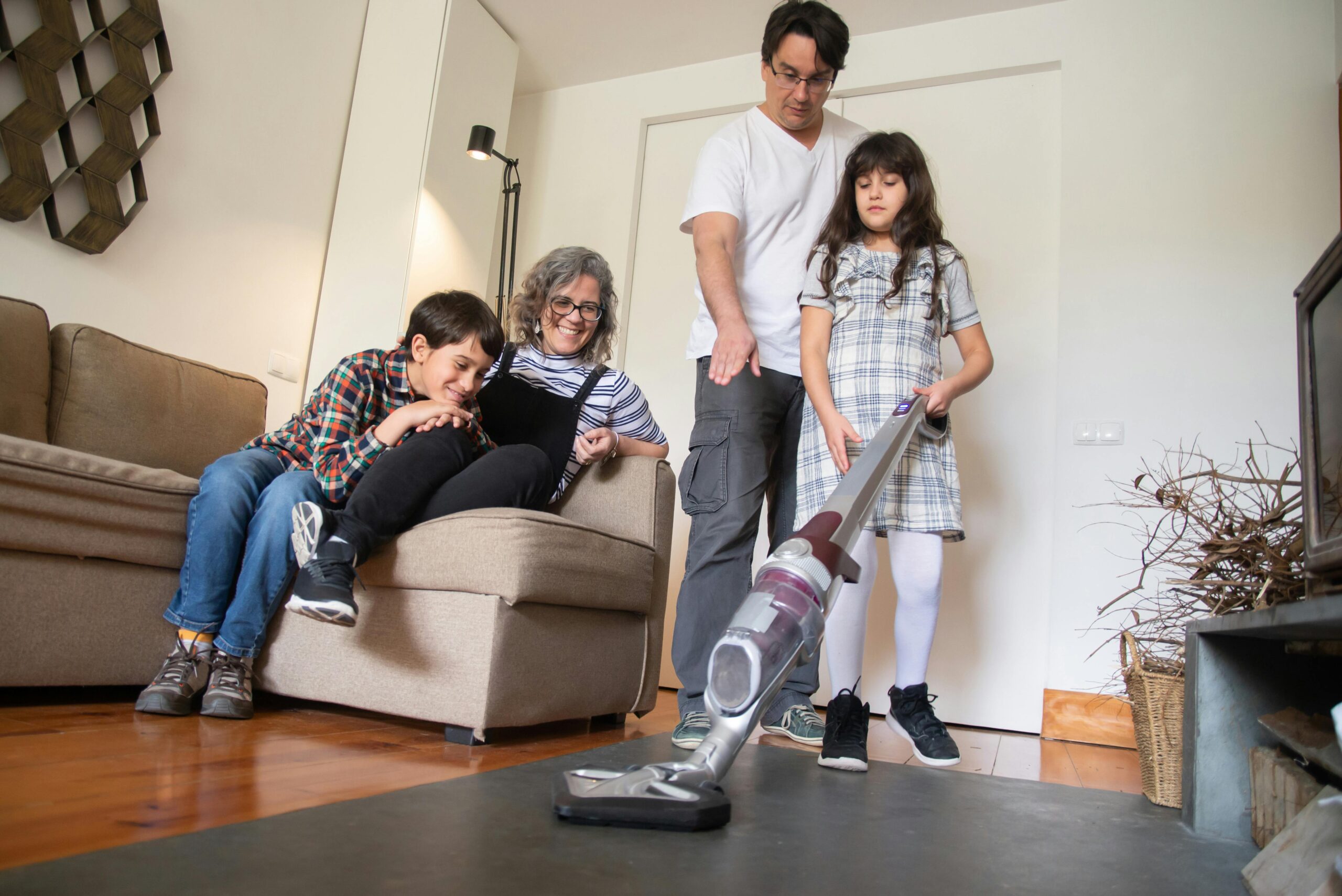
Building responsibility and independence starts at home, and assigning age-appropriate chores is one of the most impactful ways to teach children lifelong habits. But let’s face it—getting kids to willingly do chores is often a struggle. With the Cause and Effect App, you can make this process smooth, rewarding, and even fun for the whole family.

Let’s dive into how you can guide your children through meaningful tasks tailored to their age while utilizing the app’s innovative features to make parenting simpler and more effective.


Why Chores Matter

Chores are more than tasks—they are tools for building character, resilience, and self-confidence. Studies reveal that kids who regularly complete chores develop stronger time-management skills and a sense of accountability that benefits them in adulthood. The challenge is implementing these tasks in a way that fosters collaboration rather than conflict, which is where the Cause and Effect App comes in.


Chores by Age Group and How the Cause and Effect App Helps

1. Toddlers (Ages 2–4): Establishing Early Foundations

Toddlers are curious and eager to mimic adults. Start with simple, engaging tasks to build their interest in helping out.

Suggested Chores:

  • Picking up toys.
  • Putting dirty clothes in the laundry basket.
  • Wiping small spills.

App Advantage:
Assign small tasks using the Parent Portal, attach a reward (like 5 coins for “tidy-up time”), and let the app track their progress. The engaging, colorful visuals in the Child Portal make it a playful experience for your little helper.


2. Preschoolers (Ages 4–6): Encouraging Responsibility

Preschoolers love to feel like they’re contributing. This is the perfect age to introduce slightly more structured tasks.

Suggested Chores:

  • Making their bed.
  • Setting the dinner table.
  • Watering plants.

App Advantage:
The app’s Coin-Based Reward System turns mundane chores into exciting opportunities. Completing simple tasks earns coins that can be redeemed for custom rewards, like a special treat or extra playtime.


3. Elementary Kids (Ages 7–10): Developing Ownership

Elementary-age children can handle chores that require problem-solving and follow-through.

Suggested Chores:

  • Folding laundry.
  • Helping with meal prep.
  • Cleaning their room.

App Advantage:
The Progress Tracking feature gives parents an overview of their child’s efforts while encouraging kids to reach milestones. Seeing their progress on the Report Card motivates them to take ownership of their responsibilities.


4. Middle Schoolers (Ages 11–13): Building Accountability

Preteens are ready for more challenging tasks that involve managing their time and taking initiative.

Suggested Chores:

  • Babysitting younger siblings.
  • Cooking simple meals.
  • Taking out the trash.

App Advantage:
In-app notifications ensure middle schoolers stay on top of their tasks. The Reward and Motivation Interface keeps them invested, as they can work toward personalized rewards while learning accountability.


5. High Schoolers (Ages 14–18): Preparing for the Real World

Teenagers should take on responsibilities that mirror adult life, helping them transition smoothly into independence.

Suggested Chores:

  • Managing their own laundry.
  • Grocery shopping with a list.
  • Mowing the lawn or shoveling snow.

App Advantage:
Teens can use the Individual Portal to track their tasks and set personal goals, fostering a sense of independence. They can even suggest their own rewards, making the process collaborative and engaging.


The Cause and Effect App: Your Partner in Parenting

Whether you’re managing chores for a toddler or guiding a teenager toward adulthood, the Cause and Effect App simplifies the process with its robust features:

  1. Customizable Task Management: Assign age-appropriate chores effortlessly.
  2. Coin-Based Reward System: Motivate kids by linking rewards to completed tasks.
  3. Progress Tracking and Report Cards: Celebrate achievements and stay on top of responsibilities.
  4. Engaging Portals for Parents, Kids, and Teens: Make habit-building fun and collaborative.

Transform Chores into Opportunities for Growth

Parenting is hard, but it doesn’t have to be overwhelming. With the Cause and Effect App, you’re not just assigning chores—you’re nurturing essential life skills like responsibility, independence, and collaboration.

Ready to make parenting simpler and more effective?
Download the Cause and Effect App today—because building positive habits shouldn’t feel like a chore.

You’re Crushing Your Child’s Independence Without Realizing It—Here’s the Shocking Truth!

Parenting is a delicate balancing act—especially when it comes to setting limits while nurturing your child’s independence. As children grow, they naturally begin to push boundaries, which can lead to power struggles between parent and child. But what if there was a way to set clear limits while allowing your child to feel empowered and motivated? With the Cause and Effect App, that’s exactly what you can achieve.

The Struggle: Limits vs. Independence

As a parent, it’s tough to find that sweet spot. Too many rules can make your child feel restricted, while too few can lead to a lack of structure and responsibility. The key lies in giving your child the freedom to make choices while maintaining a healthy framework that ensures they’re learning important life skills—like responsibility, accountability, and respect.

But how do you strike that balance?

The Cause and Effect App: The Perfect Solution

Enter the Cause and Effect App—the game-changing tool that transforms the way you approach parenting. This app allows you to set tasks, reward accomplishments, and track progress—all while giving your child the autonomy they crave. Instead of constantly fighting to set boundaries, you’ll be guiding your child through a structured, reward-based system that they’ll actually enjoy.

Here’s how it works:

  1. Tasks with Purpose
    Set specific tasks that align with family responsibilities or personal growth. Whether it’s cleaning their room, completing homework, or practicing a new skill, the Cause and Effect App ensures these tasks are clear, achievable, and rewarding.
  2. Coins for Rewards
    As your child completes tasks, they earn coins that can be exchanged for rewards. This tangible incentive gives them a sense of ownership over their achievements. What makes this even more powerful is that the rewards aren’t just handed over—they are earned, reinforcing the value of hard work and dedication.
  3. The Power of Customization
    Every child is different, and the Cause and Effect App respects that. The app lets you customize rewards to suit your child’s preferences, whether it’s extra screen time, a fun outing, or a favorite treat. This creates a sense of partnership between you and your child, making them feel in control of their goals while still respecting the boundaries you’ve set.
  4. Track Progress and Celebrate Success
    The Report Card feature allows you to monitor your child’s progress over time. This isn’t just about checking off tasks—it’s about celebrating growth, improvement, and milestones. Both you and your child can see the direct impact of their efforts, reinforcing the cause-and-effect relationship between actions and rewards.

Why It Works

The Cause and Effect App isn’t just another app—it’s a revolutionary approach to parenting. By gamifying responsibility, it encourages kids to meet expectations while making the process enjoyable. The combination of structure, freedom, and reward creates a positive feedback loop that empowers children to be self-motivated, confident, and responsible.

Instead of struggling with constant battles, you’re building a partnership with your child based on mutual respect and shared goals. You set the framework, and they take ownership of the process. This leads to greater respect for boundaries and a deeper sense of accomplishment.

The End Result: A More Confident, Independent Child

By using the Cause and Effect App, you’re not just managing your child’s behavior—you’re helping them develop the life skills they need to thrive. Through carefully set tasks, earned rewards, and tracked progress, your child will grow into a more responsible, independent individual. You’ll no longer be the enforcer of rules—you’ll be the guide, cheering them on as they take control of their own success.

Conclusion

Parenting is a journey, and maintaining healthy boundaries while fostering independence doesn’t have to be a struggle. The Cause and Effect App provides the perfect balance, offering a tool that helps your child thrive while respecting the limits you set. Start empowering your child today with a structured, rewarding experience that builds confidence, responsibility, and independence.

Download the Cause and Effect App now—and give your kids—and yourself—the gift of accomplishment!

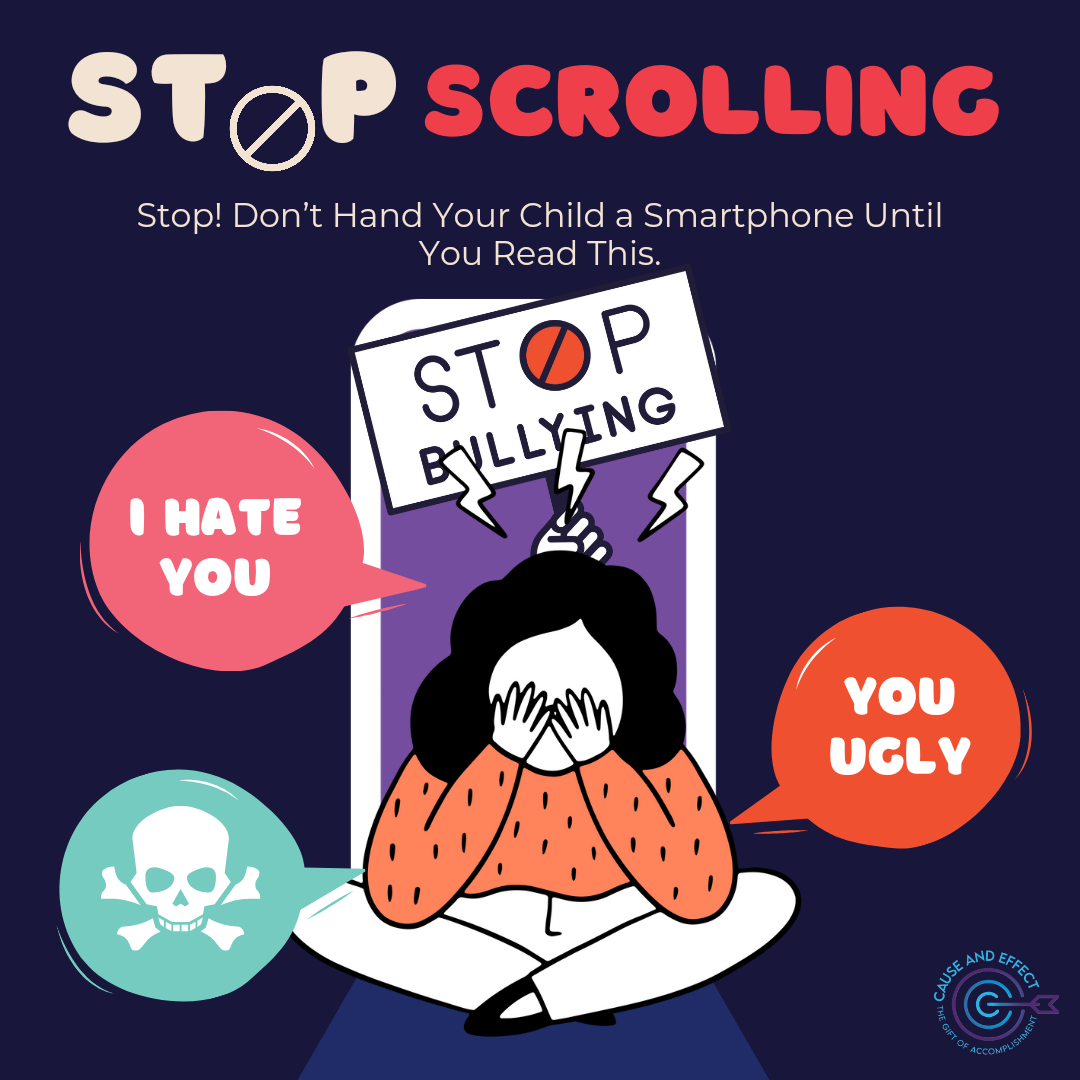
Stop! Don’t Hand Your Child a Smartphone Until You Read This.

Why Parents Should Delay Gifting Their Child a Smartphone — And How Cause and Effect Can Help
In today’s digital age, the decision of when to give your child their first smartphone is a significant one. While smartphones offer educational benefits and a sense of connection, they can also pose risks to children’s mental, emotional, and physical development. Research suggests delaying smartphone use until high school, or even longer, can be crucial to fostering healthy growth. Here’s why holding off on that smartphone gift is in the best interest of your child — and how the Cause and Effect app can offer a meaningful alternative.

1. Impact on Brain Development

Children’s brains are particularly impressionable during their formative years. Research shows that excessive screen time can interfere with the development of crucial cognitive and emotional skills. According to experts, this can delay the development of attention control, memory, and emotional regulation. Instead of relying on smartphones, parents can use tools like Cause and Effect to introduce structured, rewarding tasks that nurture these abilities. The app’s Task = Reward feature encourages children to set goals and experience the natural outcome of their actions, helping to build essential life skills.

2. Increased Risk of Mental Health Issues

Studies from leading psychologists highlight a disturbing rise in anxiety, depression, and social comparison among children who have early access to smartphones. Social media and digital distractions contribute to these emotional struggles. By delaying smartphone use and incorporating apps like Cause and Effect, parents can guide their children through goal-setting and achievement in a controlled, positive environment. The app’s task management and reward system promote self-esteem and motivation, fostering healthier emotional well-being without the pressure of online validation.

3. Effects on Sleep and Physical Health

Blue light from screens is known to disrupt melatonin production, affecting sleep patterns. Studies have linked this to poor academic performance, weakened immunity, and long-term health problems. Moreover, smartphone usage is often sedentary, which contributes to obesity risks. Parents can bypass these issues by introducing Cause and Effect as an alternative to screen time. The app’s structured tasks encourage kids to engage in activities outside of their devices, promoting physical activity and a balanced routine, while the Task = Reward feature provides a sense of accomplishment without the downsides of screen exposure.

4. Development of Social and Emotional Skills

Face-to-face communication helps children develop empathy, social skills, and emotional intelligence. When smartphones dominate their world, children may miss out on valuable real-life interactions. Cause and Effect addresses this concern by promoting goal-oriented tasks that children can complete with their family or peers. The app’s tracking and reward systems also encourage social interaction, helping kids learn the value of teamwork and communication in a way that digital interactions often can’t provide.

5. Exposure to Harmful Content

Without parental control, smartphones expose children to harmful content, including cyberbullying, explicit material, and online predators. This is a primary reason many experts suggest delaying smartphone ownership. However, Cause and Effect offers a safer, controlled environment where parents can monitor their child’s progress and activities without the risks associated with open internet access. The app’s secure environment ensures that children can benefit from technology without the dangers of unsupervised use.

6. Building Healthy Digital Habits

Delaying smartphone use gives parents the opportunity to help their children build healthier digital habits. Instead of handing over a device too soon, parents can use Cause and Effect to introduce technology in a balanced way. With clear task management features and rewards for progress, the app helps children learn the value of hard work, time management, and goal setting in a healthy, intentional manner. It also provides an excellent foundation for responsible smartphone use when the time comes.


Practical Tips for Parents

  • Model Healthy Tech Habits: Show your child how to balance screen time by practicing digital mindfulness yourself.
  • Gradually Introduce Technology: Instead of a full-fledged smartphone, consider a basic device for calls and emergency contact, alongside the Cause and Effect app for structured learning.
  • Set Clear Boundaries: Create device-free zones at home (like during meals and before bed) to encourage quality time and better sleep.

Delaying a smartphone is not about keeping your child behind in a technology-driven world; it’s about giving them the best tools to thrive. Apps like Cause and Effect provide a balanced approach to learning and development, ensuring children have the skills and mindset to handle the complexities of digital life when the time comes.

By prioritizing emotional growth, mental health, and physical well-being, parents can give their children the foundation they need to excel in both the digital and real world.

The Power of Progress Tracking: Helping Kids Understand Their Growth

In a world where children are often occupied with screens, games, and social media, parents today are searching for ways to instill responsibility, goal-setting, and positive habits in their children. One powerful tool that can aid in this journey is progress tracking through parental control apps like Cause and Effect. By leveraging technology to track daily achievements, kids can start to understand and celebrate their growth, while parents can gain insights into strengths, areas for improvement, and ways to adjust goals to better support development.

In this blog, we’ll delve into how Cause and Effect’s progress analytics feature helps parents support their child’s journey, making it easier for kids to see their efforts’ impact and feel motivated to achieve even more.

Why Progress Tracking Matters for Kids

Growth isn’t always easy to see—especially for children, who may find long-term goals and big-picture progress challenging to grasp. Traditional methods of discipline and rewards might help in the short term, but they often fail to provide children with a sense of ownership over their growth and accomplishments. This is where digital progress tracking can make a big difference.

By tracking and showing measurable progress, children get a tangible way to see the positive outcomes of their actions. It’s a feedback loop that reinforces the value of completing tasks and achieving goals, building habits that can benefit them throughout life. With Cause and Effect’s progress analytics, kids can not only monitor their achievements but also receive timely feedback and support from their parents, creating a structured yet empowering learning environment.

How Cause and Effect’s Progress Analytics Helps Parents

Cause and Effect provides detailed progress analytics that allows parents to monitor how their child is progressing toward goals. Through visual data and summaries, parents can gain insights into task completion rates, consistency, and specific areas where their child may need additional support. Here’s a closer look at how these insights can make a difference:

  1. Identifying Strengths and Weaknesses
    • The app’s analytics feature enables parents to see patterns in their child’s behavior and performance. For instance, if a child consistently completes certain tasks (like reading or chores) but struggles with others (like time management or daily hygiene), parents can recognize these areas of strength and focus on supporting weaker areas. This allows parents to address specific needs, helping the child grow holistically.
  2. Setting Realistic, Incremental Goals
    • By understanding a child’s current capabilities, parents can set achievable, step-by-step goals that feel realistic rather than overwhelming. Progress analytics can highlight which tasks the child is already comfortable with and which may require extra guidance or simpler steps. This kind of tailored goal-setting helps children build confidence while avoiding frustration.
  3. Adjusting Parental Guidance Based on Data
    • Parents may sometimes feel unsure about how much guidance their child truly needs. With Cause and Effect’s progress tracking, they can observe how much the child completes tasks independently versus with reminders. If the data shows strong independence, parents may choose to step back slightly, fostering self-reliance. Conversely, if the child seems to need frequent reminders, parents can introduce supportive techniques to encourage consistency.
  4. Recognizing Milestones and Celebrating Progress
    • Celebrating milestones—whether big or small—can be a major motivator for kids. The app allows parents to monitor milestone achievements, making it easy to reward children for reaching certain levels of progress or sticking with a routine. These celebratory moments can help children feel seen, appreciated, and eager to keep going.
  5. Data-Driven Decision Making for Educational Support
    • If a child is struggling with specific academic or behavioral tasks, progress tracking can help parents decide when to seek extra support, such as tutoring or counseling. Having clear data on hand makes these decisions more straightforward, and the information can also be shared with professionals to create a coordinated support system around the child.

Teaching Children Self-Reflection and Accountability

While progress analytics offer powerful insights for parents, they also have a direct impact on children, especially when parents involve them in the process. Here’s how Cause and Effect can help teach children to self-reflect and build accountability for their actions:

  • Visualizing Progress with Charts and Summaries
    • The app presents data in a way that’s accessible and engaging, using charts or summaries that are easy for children to understand. When kids can see their achievements laid out in a visual format, they are more likely to feel proud of their hard work. It’s like watching their growth unfold, creating a sense of satisfaction that builds self-worth.
  • Encouraging Reflection on Missed Tasks
    • Children can also learn from the areas they’ve missed. By discussing why a particular task wasn’t completed and considering what could help next time, kids start to develop self-awareness and problem-solving skills. This aspect of progress tracking goes beyond basic rewards and encourages children to think about ways they can improve, building lifelong habits of accountability.
  • Making Goal-Setting Fun and Engaging
    • With the ability to earn rewards, kids learn that progress is both valuable and enjoyable. Cause and Effect makes goal-setting a more active process, encouraging children to understand the connection between their actions and rewards.

Building Long-Term Habits Through Positive Reinforcement

The ultimate goal of Cause and Effect’s progress tracking is to help children develop habits that will benefit them throughout life. By helping kids understand the link between effort and reward, the app promotes a growth mindset where they are inspired to work toward personal development. This approach moves beyond enforcing discipline and instead fosters a genuine love for learning, self-improvement, and responsibility.

Conclusion: Empowering Parents and Kids Alike

With Cause and Effect’s progress analytics, both parents and children can feel empowered in the habit-building journey. Parents gain insights to support and guide their children, while kids receive real-time feedback that helps them understand their growth and make positive changes. It’s a win-win approach to parenting that equips children with essential life skills, making progress tracking a powerful ally in raising responsible, self-motivated, and goal-oriented individuals.

As children learn to celebrate their achievements and tackle challenges through this app, they are not only reaching short-term goals—they’re also setting themselves up for long-term success. With Cause and Effect’s progress tracking, every small step forward is another opportunity to help children grow.

How to Teach Your Child to Be Safe Online?

Teaching kids how to enjoy the internet while also keeping them safe on it can be a challenge, but a few simple rules and tools can help make it much less stressful. The Internet is the most popular tool for children to learn these days. In this article, we take a look at different ways you can teach your child about safe online behavior and protect them from unwanted threats. Learn how to talk to your child about cyberbullying and inappropriate content as well as find out some great apps for kids online. Here you will come to know the best ways to protect your kids from the dangers of the internet.


There are many ways to teach your teach your child to be safe online. A few tips include teaching them the difference between appropriate and inappropriate content, teaching them to always type in a website address before entering it into the browser, teaching them not to believe everything they read online, and teaching them to tell you if they ever receive an email that’s confusing or weird.


Keep them safe

As a parent, it’s important to teach your kids about internet safety. With the rise of social media and online predators, it’s more important than ever to make sure your kids are aware of the dangers that exist online. Here are some tips to help you teach your kids about internet safety:

Talk to them about the importance of privacy. Explain that they should never share personal information, such as their address or phone number, with anyone online.

Help them understand what cyberbullying is and how to deal with it. Show them how to block and report users who are being abusive.

Teach them how to spot fake news stories. Show them how to check the source of an article before they share it.

Warn them about the dangers of meeting people they’ve met online in person. Tell them to always tell you or another adult if someone they’ve met online asks to meet up with them in real life.

Keep an eye on their online activity. Monitor their social media accounts and check their browser history regularly. This will help you spot any red flags that may indicate they’re in danger.


Use a protected, monitored computer for internet use

Most parents want to protect their children from the dangers of the internet, but they may not know how. A great way to help keep your kids safe online is to use a protected, monitored computer for their internet use. This type of computer will have special software that can help block dangerous websites and track your child’s internet activity. You can also set up parental controls on these computers to help limit what your child can do online. Talk to your kids about internet safety and explain why it’s important to use a protected computer. By taking these precautions, you can help ensure that your child has a safe and positive experience online.


Show your kids what is good and bad on the internet, watch out for unwanted emails and messages

The internet can be a great place for kids to learn and explore. But it’s important to teach them about internet safety so they know how to stay safe online. Here are some tips:

Show your kids what is good and bad on the internet. Explain that there are people online who might try to hurt them or take advantage of them. Help them understand what to watch out for.

Watch out for unwanted emails and messages. Teach your kids not to open emails or messages from people they don’t know. Explain that these could contain viruses or be harmful in other ways.

Make sure your kids know not to give out personal information online. This includes their name, address, phone number, etc. They should also know not to share passwords with anyone.

Help your kids find reliable websites for information and resources. There is a lot of misinformation online, so it’s important that they know how to find trustworthy sources.


Teach them to be aware of what they are looking at online

With the internet being a part of so many aspects of our lives, it’s important to make sure our kids are aware of how to stay safe online. Here are a few tips on how to teach your child safe online.

Teach them to be aware of what they are looking at online. Just like in the real world, there are good and bad things on the internet. Help your kids learn to identify red flags that might indicate something is not safe, such as personal information being asked for or links to sites that contain explicit content.

Show them how to use privacy settings and other tools to stay safe online. Many social media sites and apps have privacy settings that allow users to control who can see their posts and information. Explain to your kids how this work and why it’s important to use them.

Help them understand that not everything on the internet is true. Just like with any other information source, it’s important to verify what you read or see online before believing it. This is especially important when it comes to things like health information or rumors about friends or celebrities.

Talk with them and team about ways to handle cyberbullying or other negative experiences online.